


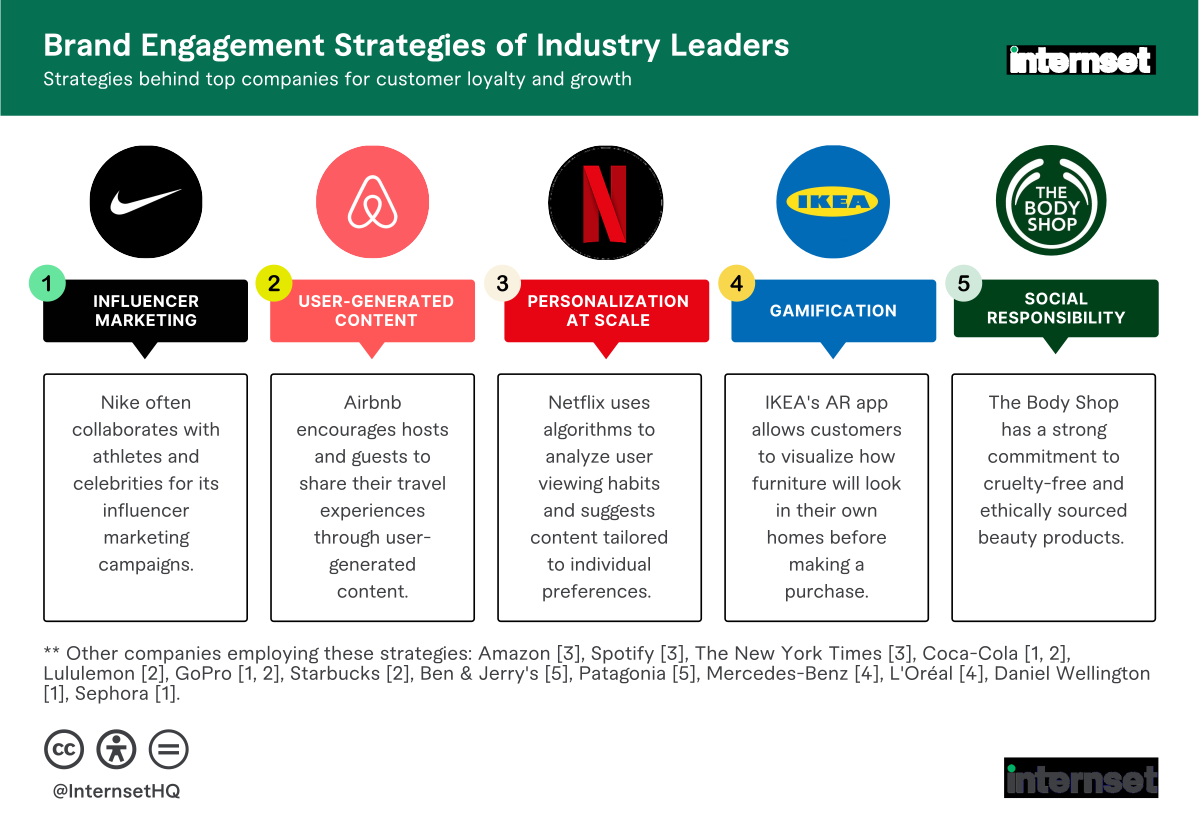
With consumers becoming increasingly discerning and yearning for personalized experiences, brands can no longer afford to remain stagnant in their approach. Whether it’s through immersive storytelling, interactive content experiences, or seamless omnichannel approaches, these trends are infused by leading companies to drive substantial brand engagement and cement their positions in today’s fiercely competitive market.
1. Influencer Marketing
As the influence of social media continues to surge, consumers increasingly turn to individuals they trust and admire for recommendations and insights. By partnering with influencers possessing a strong following and influence over their target audience, brands transcend the noise of traditional advertising and nurture relationships founded on trust and authenticity to effectively reach and connect with customers more authentically.
The forefront companies are wielding influencer marketing by seamlessly integrating influencers into their social media campaigns, product launches, and events. Such collaborations enable brands to tap into the influencer’s credibility and expertise while also expanding their reach across a wider audience through the influencer’s platform. The crux lies in selecting an influencer whose values align with the brand’s message, thereby ensuring an organic partnership that genuinely resonates with consumers. To summarize, the major benefits of Influencer Marketing include:
- Enhanced Credibility: Influencers bring authenticity and trust to brand promotions, as their followers value their recommendations and opinions.
- Wider Reach: Collaborating with influencers allows brands to access a broader and more targeted audience, expanding their reach beyond traditional marketing channels.
- Increased Engagement: Influencers create content that resonates with their followers, leading to higher engagement rates and interaction with the brand’s message.
- Cost-Effective: Influencer marketing often provides a more cost-effective alternative to traditional advertising, especially for reaching niche audiences.
- Improved Conversions: Influencer campaigns can drive higher conversion rates as consumers are more likely to make a purchase based on recommendations from trusted influencers.
2. User-Generated Content
Unlike traditional advertising where companies self-promote, UGC allows ordinary individuals to share their unfiltered experiences and opinions regarding products or services. These testimonials emanate from everyday users with no ulterior motives, fostering credibility and engendering trust among the target audience.
Neat. Best example of this was the UGC feature in Infamous 2. https://t.co/EjyawefdeK
— Aaron Jason Espinoza (@TheAgentOfDoom) June 10, 2019
Furthermore, user-generated content augments personalization and relevance within a business’s marketing efforts. Through UGC, companies gain invaluable insights into how customers interact with their brands, facilitating tailored offerings in the future. It empowers brands to listen and learn from individual consumer preferences directly. Other advantages include:
- Cost-Effective Marketing: UGC is often created by customers voluntarily, reducing the need for expensive content creation, and can be leveraged across various marketing channels.
- Trust and Social Proof: UGC serves as social proof, influencing potential customers’ purchasing decisions by showcasing real experiences and recommendations from other consumers.
- Valuable Insights: Brands can gain valuable insights into consumer preferences and behavior by analyzing UGC, helping them tailor their offerings and marketing strategies more effectively.
3. Personalization at Scale
As consumer expectations evolve, leading brands recognize the paramount importance of personalization at scale. Customizing experiences for individual consumers fosters deeper connections and ignites heightened brand engagement. It equips companies to deliver targeted content and offerings that resonate with each customer’s unique preferences, leveraging advanced data analytics and artificial intelligence to extract valuable insights about their customers.
7.1/
To add another layer of personalization to the email, we hire a VA to find unique variables for each prospect.
Example:
“Came across an ad for your {{Product}}”
“Saw {{Company}} was killing the {{Industry}} industry this Q1”
Best way to personalize at mass scale.
— christian 📨 (@coldemailchris) January 30, 2023
One pivotal advantage of personalization at scale is its ability to elevate customer satisfaction and breed loyalty. When consumers receive personalized recommendations, offers, and messages from a brand, they feel seen and valued as individuals, not mere faces in the crowd. Such individualized attention not only amplifies engagement but also spurs repeat purchases and enduring loyalty. Leading brands are embracing technology-driven solutions, including recommendation engines, machine learning algorithms, and predictive analytics, to achieve personalization at scale. These tools enable companies to scrutinize vast troves of data in real time, furnishing instant recommendations or adjustments grounded in each individual’s customer behavior. By prioritizing personalization at scale, brands get an edge in these areas:
- Customer Satisfaction: Personalization at scale leads to higher customer satisfaction as tailored experiences make customers feel valued and understood.
- Increased Brand Loyalty: When consumers receive personalized recommendations and messages, it fosters brand loyalty, leading to repeat purchases and long-term customer relationships.
- Enhanced Data Utilization: Utilizing advanced data analytics and AI, brands gain valuable insights into customer behavior, helping them make data-driven decisions and refine their strategies.
4. Gamification
Gamification stands as a potent trend warmly adopted by top companies to actively engage customers and offer them interactive, rewarding experiences. By infusing game-like elements into their products or services, brands seize their target audience’s attention, establishing more profound connections. Gamification deploys techniques such as leaderboards, badges, challenges, and rewards, encouraging customer participation and fomenting repeat interactions. For a head start, you can experiment with the augmented reality, geo-mapping, and gamification platform by XRii to craft an unforgettable brand experience within weeks.
This trend particularly thrives in today’s digital terrain, where consumers yearn for personalized experiences and actively seek entertainment value in their interactions with brands. Companies that adeptly employ gamification strategies can cultivate customer loyalty by bestowing them with a sense of value and appreciation through immersive game-like experiences. These engaging encounters not only draw attention but also catalyze meaningful relationships between the brand and its customers, ultimately resulting in amplified brand engagement. Here’s how Gamification helps brands:
- Improved Data Collection: Gamification allows brands to gather valuable data on customer behavior and preferences, aiding in more personalized marketing efforts and product development.
- Differentiation from Competitors: Brands that effectively employ gamification stand out in a crowded market, creating memorable experiences that establish meaningful connections with consumers.
- Entertainment Value: In today’s digital landscape, consumers crave personalized and entertaining interactions with brands. Gamification satisfies this need by making brand interactions enjoyable and immersive.
5. Social Responsibility
Businesses are awakening to the undeniable significance of social responsibility, recognizing that consumers are actively seeking out brands that not only deliver top-notch products and services but also wield a positive influence on society and the environment. When companies align their actions with the values of their consumers, they not only build trust and loyalty but also make a meaningful, real-world impact.
One avenue through which companies exhibit social responsibility is by implementing sustainable practices throughout their supply chain. They concentrate on waste reduction, minimizing carbon footprints, and championing equitable labor conditions. Brands also partake actively in philanthropic endeavors, contributing to causes resonating with their target audience. By spotlighting these efforts through marketing campaigns and transparent corporate conduct, companies effectively engage socially conscious consumers who applaud businesses prioritizing more than just profit. Here are 3 major benefits for brands who adopt Social Responsibility:
- Attracting New Customers: Socially conscious initiatives can attract a new segment of customers who prioritize ethical and socially responsible companies when making purchasing decisions.
- Employee Morale and Productivity: Employees tend to feel proud and motivated when working for a socially responsible brand, which can lead to higher morale and productivity.
- Long-Term Sustainability: Commitment to social responsibility can contribute to long-term business sustainability by addressing environmental, social, and ethical concerns that are increasingly important to consumers and investors alike.
Moreover, companies leverage purpose-driven initiatives to address pressing societal issues. This encompasses promoting diversity and inclusion within their organizations and championing various social justice causes. By taking a stance on crucial matters such as gender equality or racial justice, brands display authenticity in their dedication to making a constructive impact beyond selling products or services. These purpose-driven initiatives yield robust emotional connections between companies and consumers who share akin values, culminating in heightened brand engagement.


